
Research
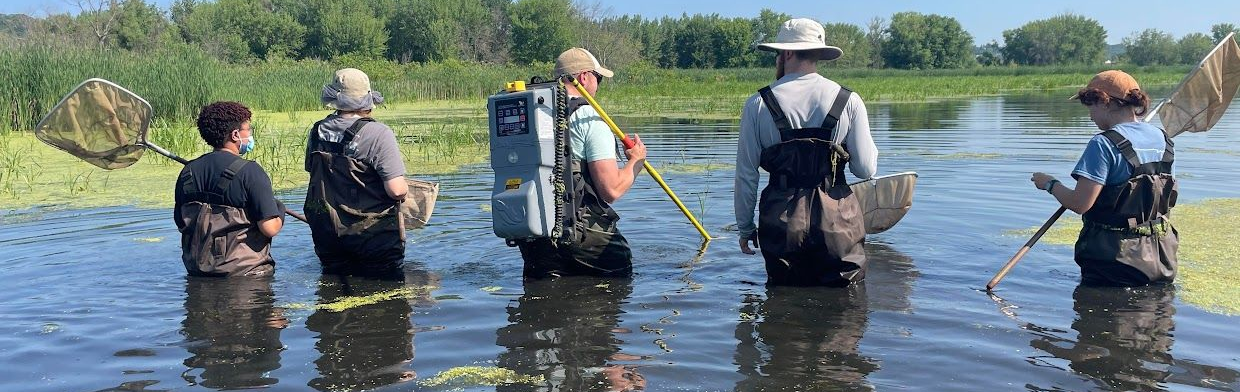
Research is an integral part of Nahant Marsh's mission. It expands our knowledge of the ecosystems found here, which allows us to better maintain this amazing natural area.
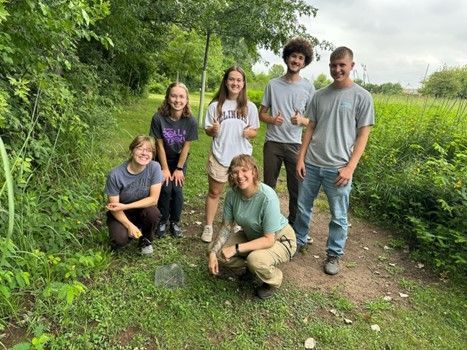
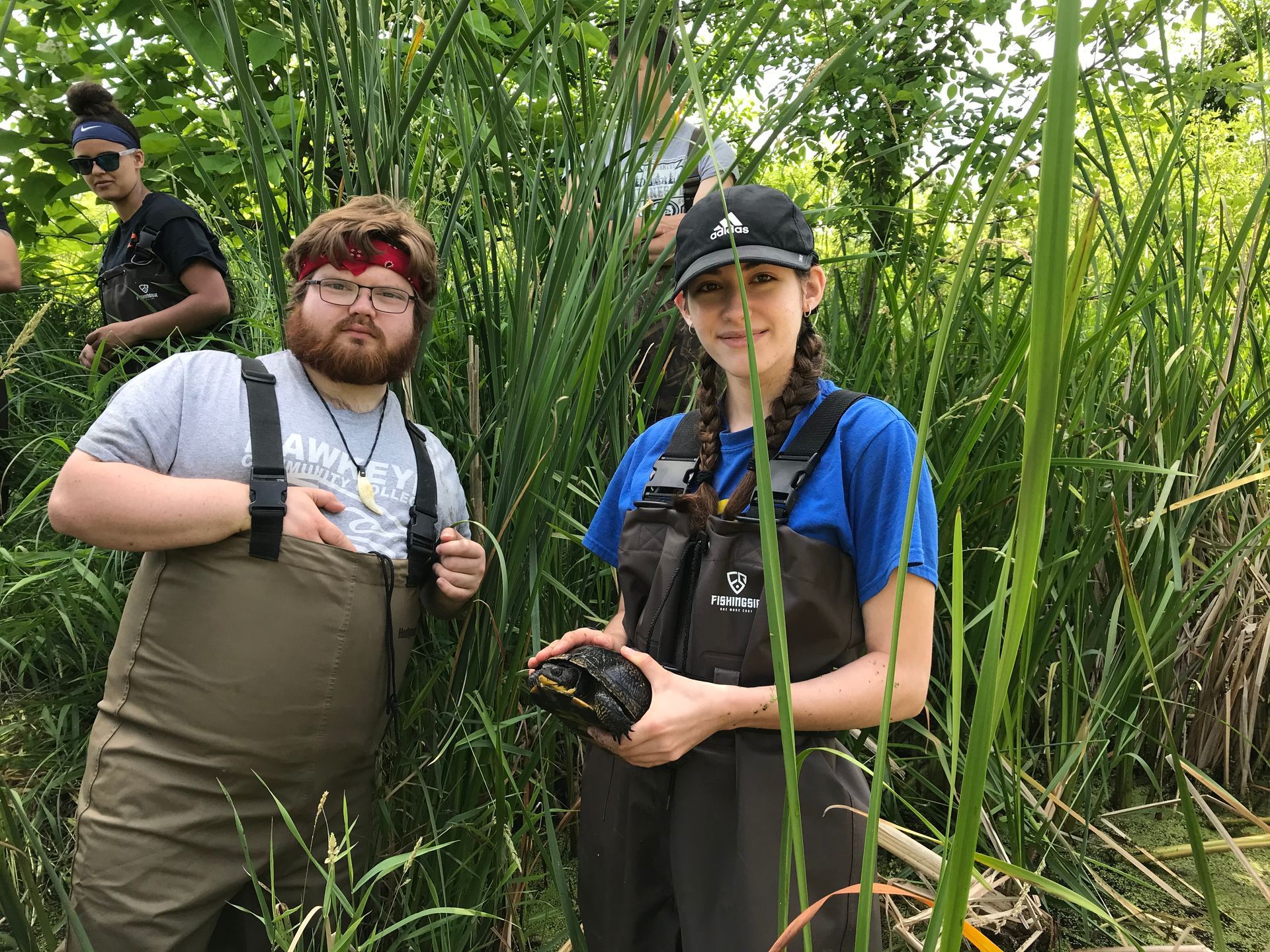
Nahant Marsh brings together students from local colleges and universities each summer to study these unique ecosystems. During these internships, students improve scientific skills and get experience using field equipment. They also design and present a research poster that showcases their findings and the conclusions they draw from their data.
Research Internship Experience
Each summer, Nahant Marsh offers research internship opportunities for undergraduate students interested in wildlife conservation. Funded by the National Science Foundation, our program provides an immersive Undergraduate Research Experience where interns engage in hands-on ecology projects—ranging from birds and bats to turtles and snakes.
Throughout the summer, students learn the full scientific process: collecting field data, managing and analyzing datasets, and communicating results at our annual Research Poster Open House.
Program Overview
The internship begins with an orientation day dedicated to onboarding and required paperwork. Orientation also includes a guided tour of Nahant Marsh and its research field sites, giving students essential context for the habitats, species, and long-term projects they will be working with.
During the first one to two weeks, interns participate in all active research projects to help identify their specific interests. After this introductory period, each intern selects one project to lead for the remainder of the summer.
While projects are pre-established, students are responsible for:
- Collecting their own field data
- Managing data in online datasheets
- Analyzing results to create tables and figures
- Designing a research poster for end-of-summer presentation
Although each intern leads an individual project, collaboration is expected. Students assist their peers and gain broad experience across all components of the program.
A Typical Day as a Research Intern
Interns work three days per week, generally from 8:30 AM to 4:30 PM. Daily activities vary depending on project needs, but a sample day might look like:
8:30 AM — Arrive at Nahant Marsh; gather equipment and prepare for fieldwork
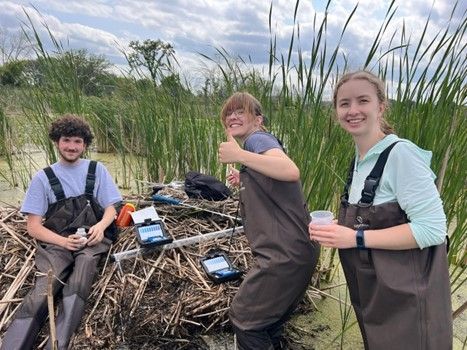
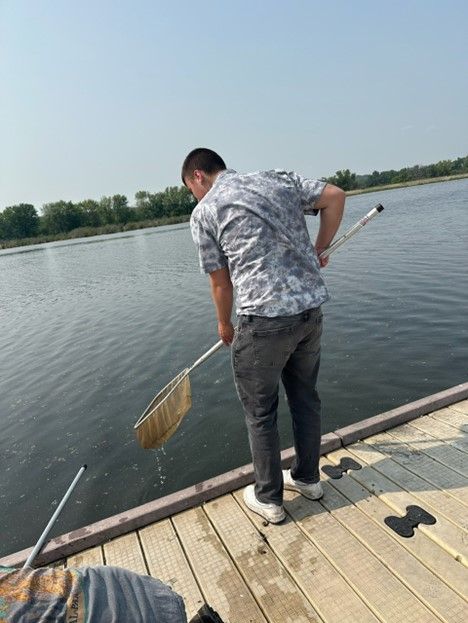
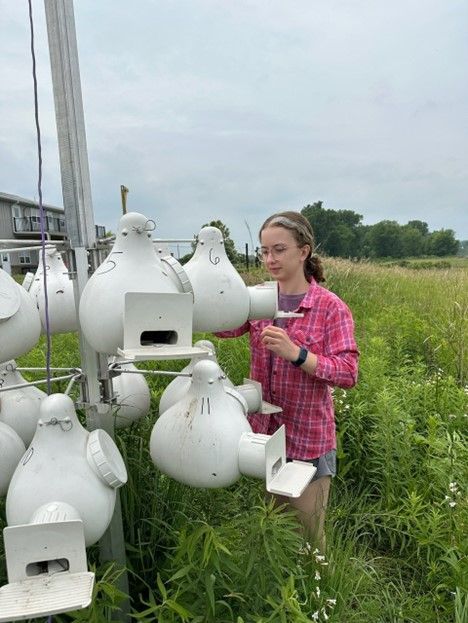
9:00 AM–12:00 PM — Visit field sites to collect data. (Examples: testing water chemistry such as pH, dissolved oxygen, and nitrates; conducting radio telemetry to locate Blanding’s turtles; checking Purple Martin nests for eggs and hatchlings)
12:00 PM — Lunch break
12:30–1:00 PM — Enter field data into online datasheets
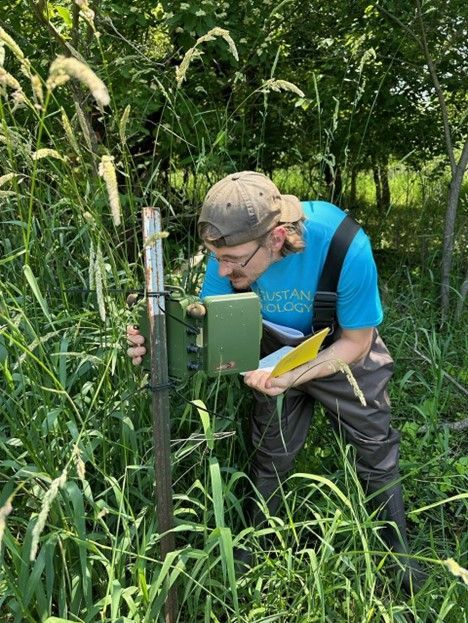
1:00–2:30 PM — Retrieve SD cards from songbird and bat monitors; transfer files to hard drives for analysis
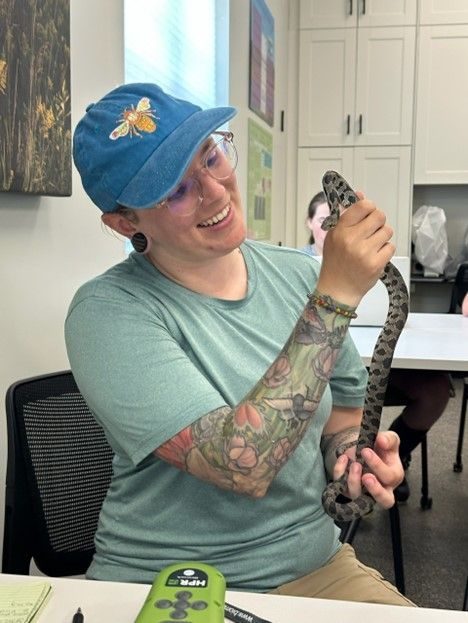
2:30–4:30 PM — Survey prairie vegetation in prescribed-burn plots; check cover boards and PIT-tagged garter and fox snakes
Nahant Marsh Research Project Examples
Blanding’s Turtle Research
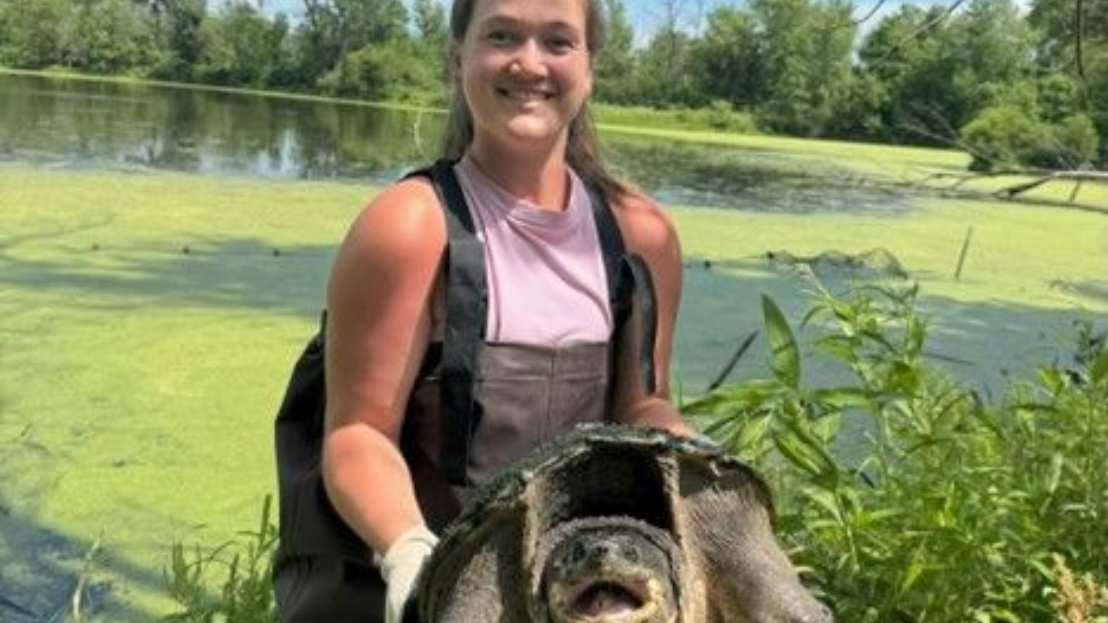
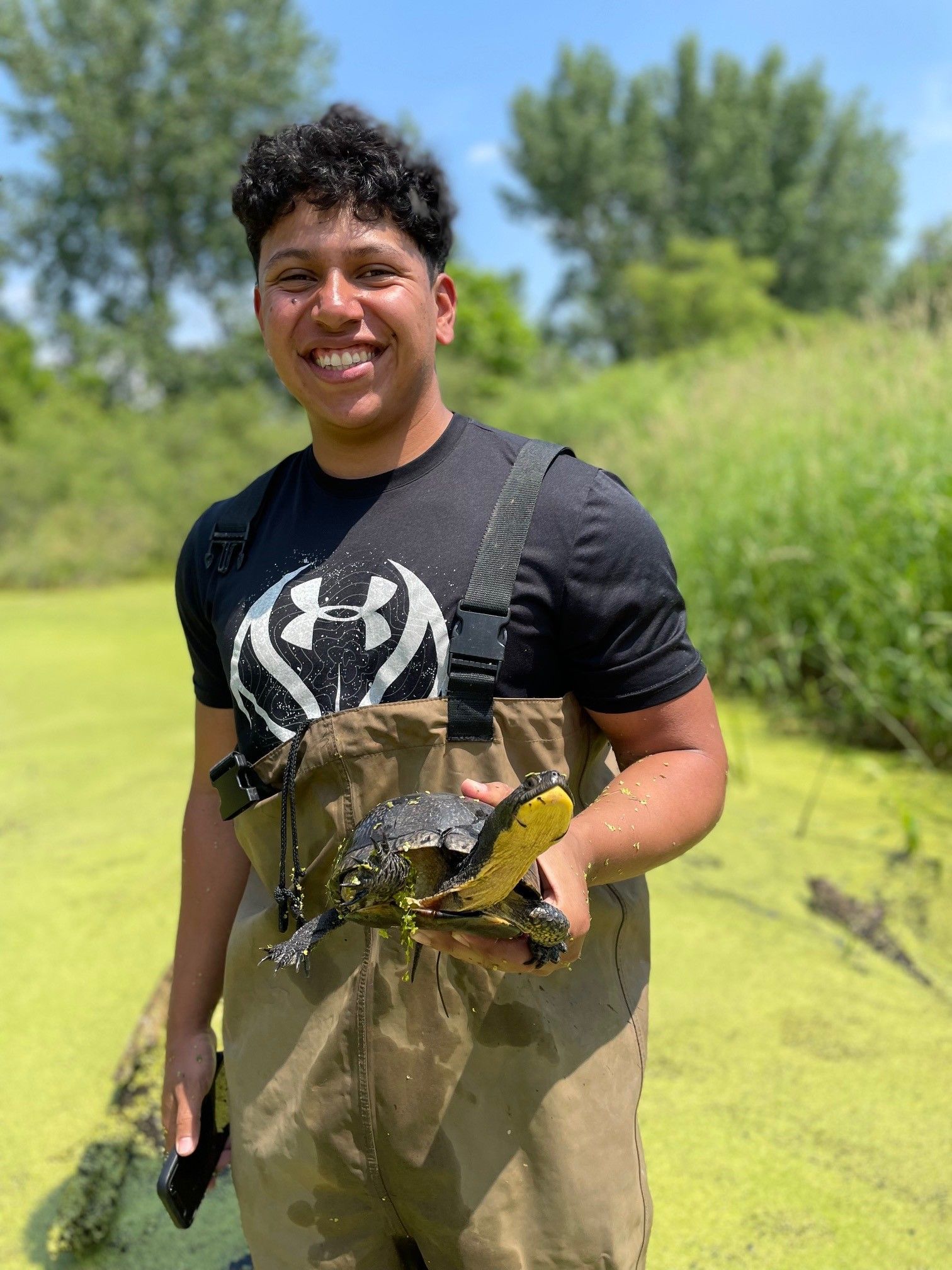
Species description: Named after American naturalist Dr. William Blanding, Blanding’s turtles are medium-sized, semi-terrestrial turtles that inhabit wetlands across much of the Midwest. They have a highly-domed, dark carapace (upper shell); a bright-yellow neck and chin; and a distinctive smile.
Conservation: Blanding’s turtles are a threatened species of greatest conservation need in Iowa, and they are listed as endangered in Illinois. Vehicle-collision mortalities and habitat loss have devastated populations because this species takes 18 years on average to sexually mature and reproduce. That’s why Nahant Marsh is actively researching local populations and taking steps to protect these charismatic turtles.
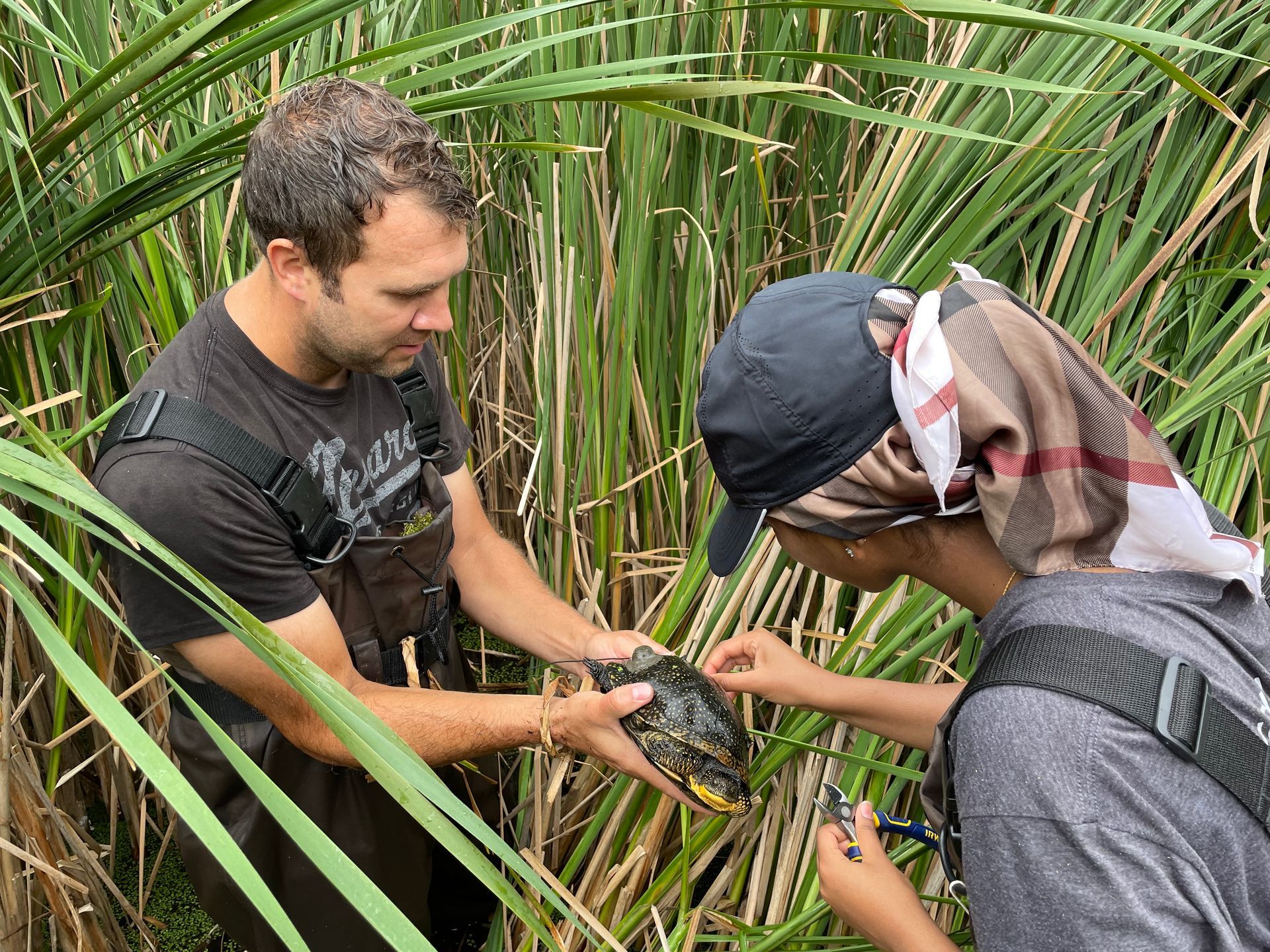
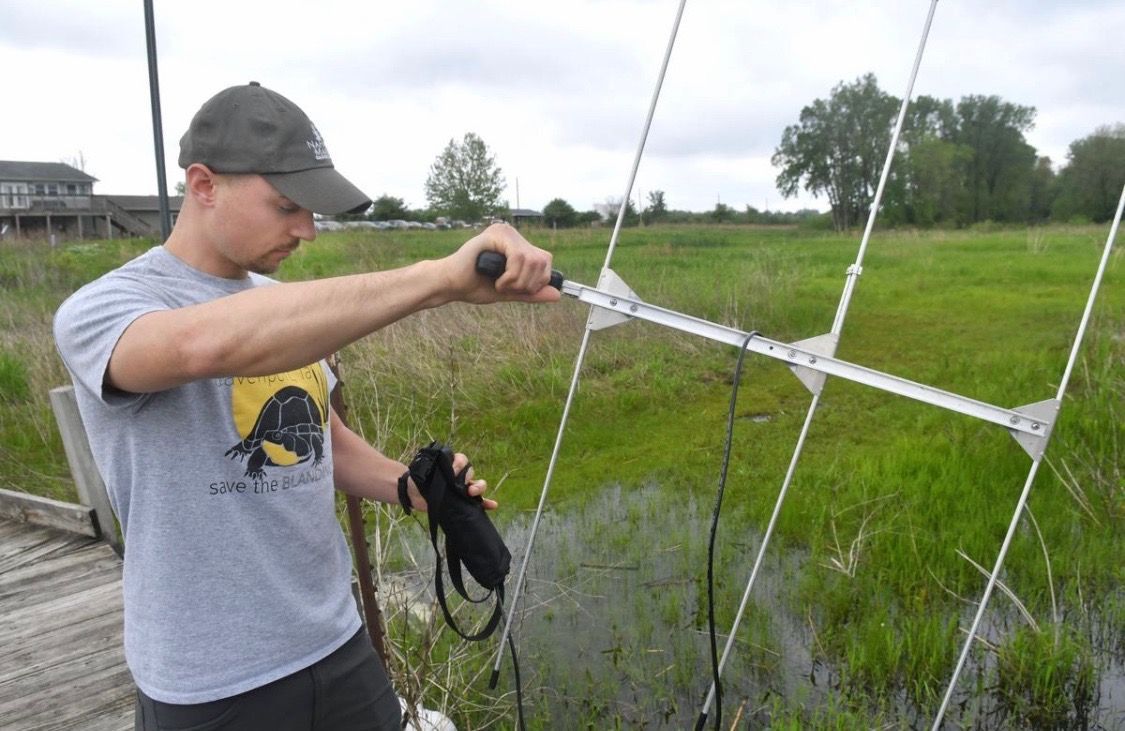
Our Research: Nahant Marsh has been monitoring a small, local population of Blanding’s turtles since 2010. We survey for them annually by capturing them in baited traps, taking measurements of their shell, and releasing them back into the marsh. In 2019, Nahant Marsh began tracking Blanding’s turtle movement patterns using GPS and radio telemetry, an ecological research technique whereby animals can be monitored remotely to study their behavior. Using this technique, we can learn about the species’ home range and their preferred nesting sites, which helps us to better protect these sensitive locations.
Fun Facts
- Blanding’s turtles can live to be about 80 years old
- Blanding’s turtles hibernate underwater, beneath the ice (if present) for the entirety of the winter
- Aquatic turtles are air breathers and have the ability to absorb oxygen through their cloaca (their butt) underwater
- The turtle’s sex is determined by the temperature at which the eggs are incubated; relatively cool temperatures result in males, whereas females result from relatively warm temperatures
- Males and females can travel three-quarters of a mile or more in search of food or nesting sites
Bat Research
Species description: Bats are flying mammals in the order Chiroptera, the scientific name for the group meaning “hand-wing.” There are nine bat species that live in Iowa for at least part of the year. Four of these species hibernate in our state. Many of them eat insects as their main source of food. This provides pest control and can save billions of dollars per year from crop damage and pesticide costs. Nahant Marsh provides important wetland habitat for bats to forage and roost.
Conservation: Three of the nine species of Iowa bats—the northern long-eared bat, Indiana bat, and tri-colored bat—are listed or proposed to be listed as federally-endangered. Habitat loss, pesticide use, human disturbance, climate change, and a disease called white-nose syndrome are all contributing factors.
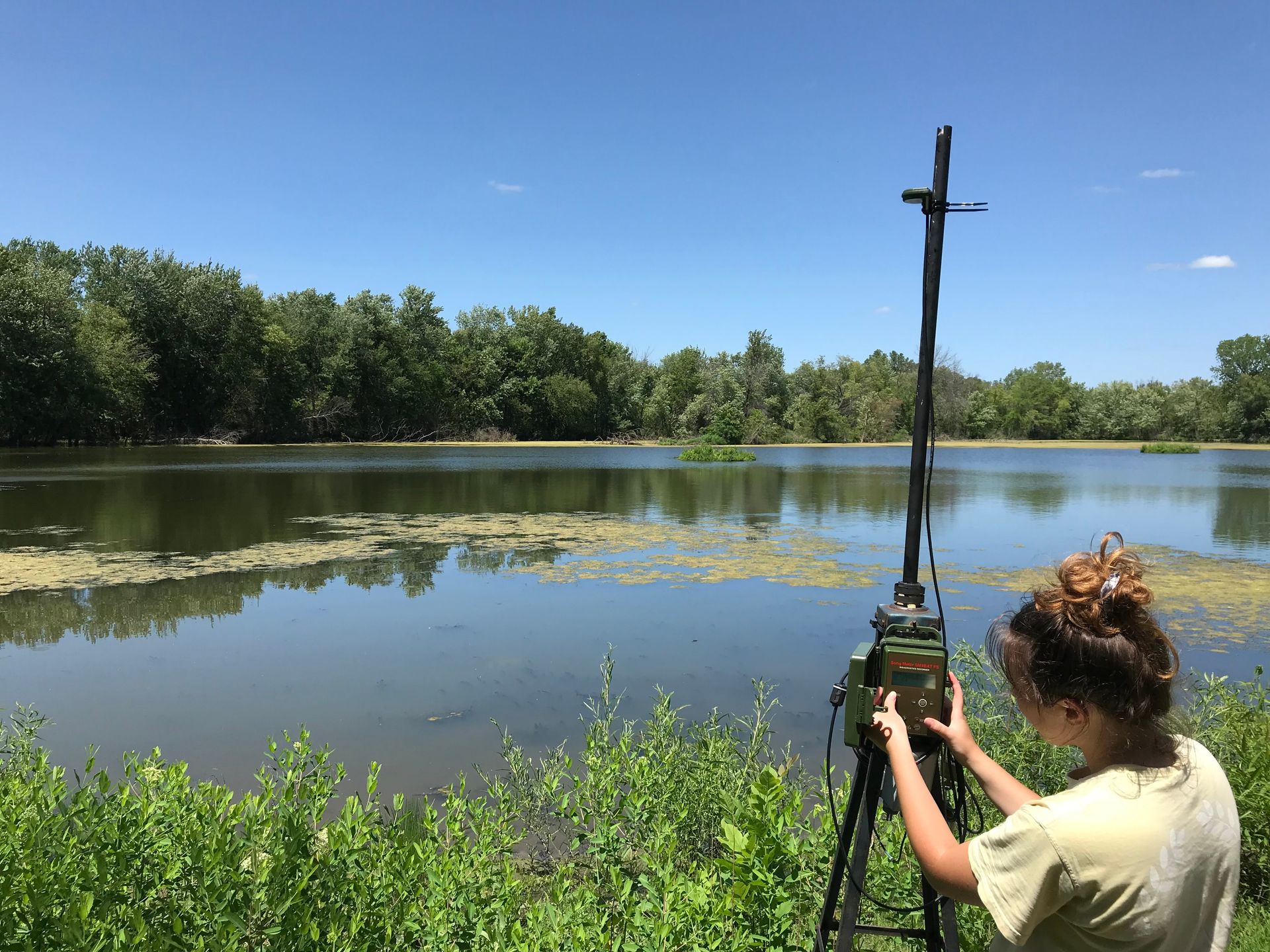
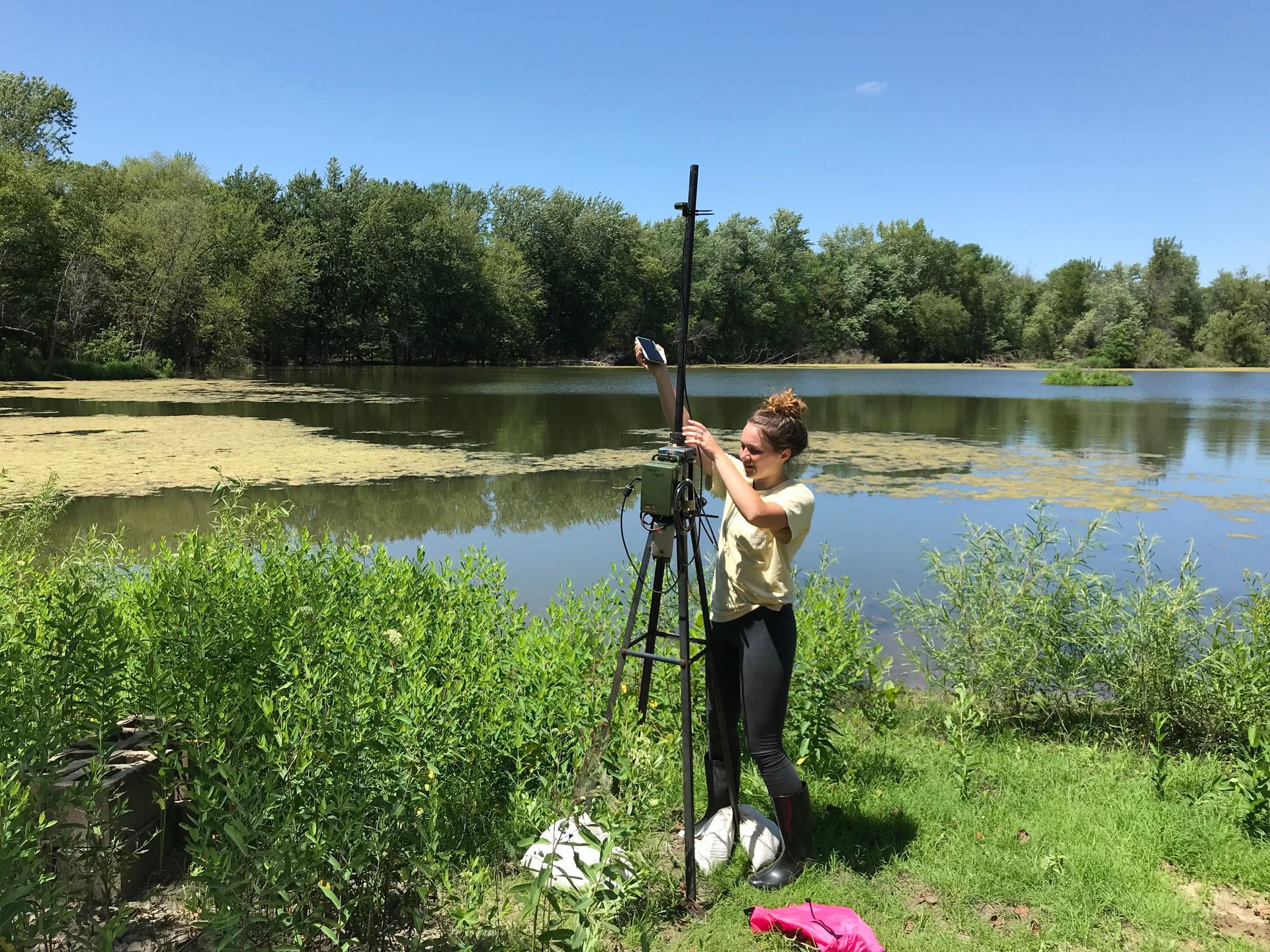
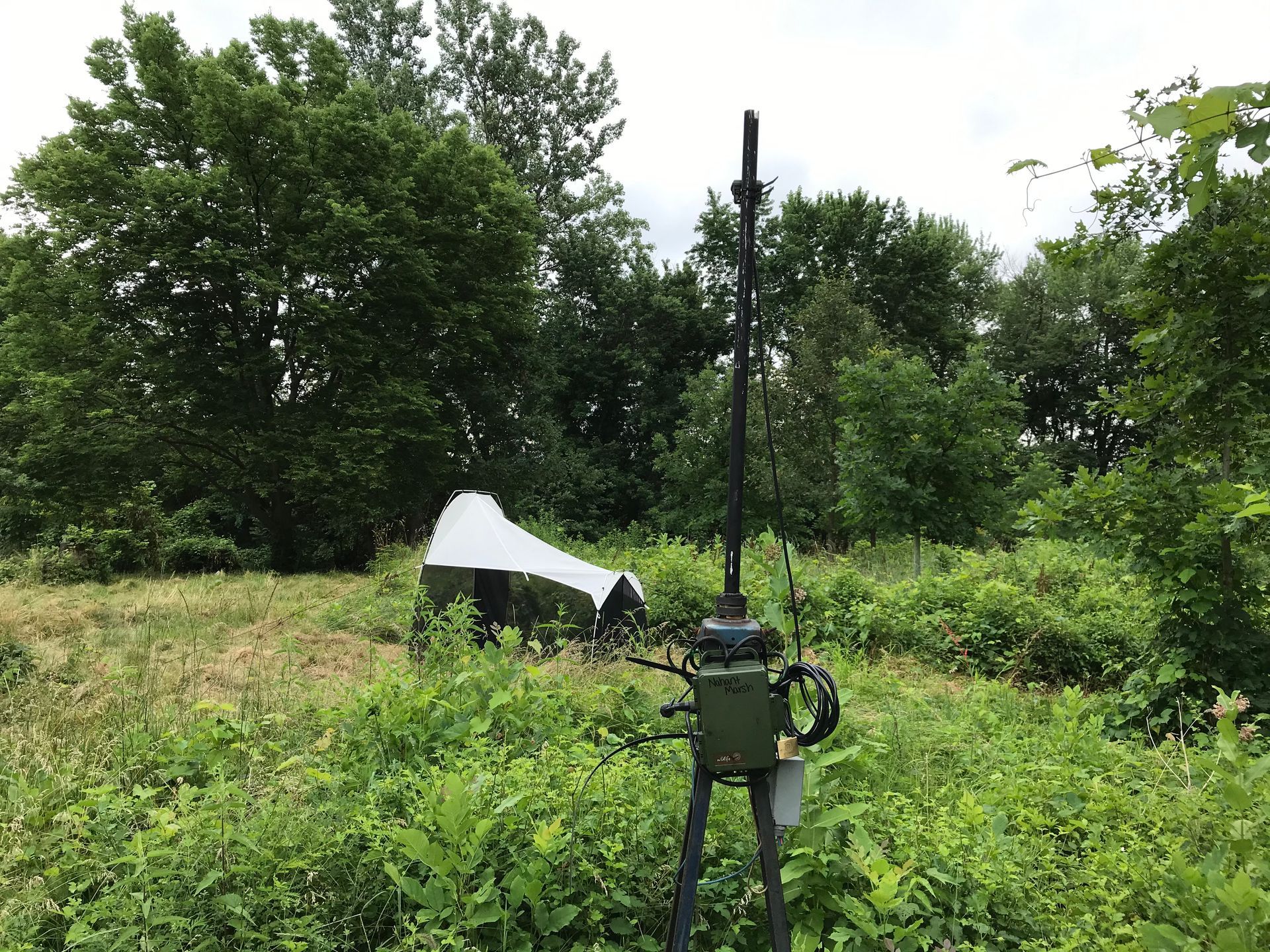
Our Research: Nahant Marsh uses acoustic monitoring devices to survey for bats that inhabit or migrate through the preserve. These devices record high-frequency bat calls, which we cannot detect with our own hearing. Bats use these calls to echolocate insects on the wing. Similar to birds, each bat produces a different call signature, and that can species can be determined using software analysis. Using this equipment, we have documented all nine bat species of Iowa at Nahant.
Fun Facts
- Bats are the only flying mammal.
- Some bats are important pollinators and are directly or indirectly important for chocolate, bananas, mangos, avocados, and tequila production.
- Bats clean themselves by grooming themselves or other bats.
- Like nearly all mammals, bats have a belly button from their mom’s umbilical cord.
Student Testimonials
“I didn’t know exactly what I was searching for when I started school, all I knew is that I wanted to work in nature. Nahant opened my eyes to what I want to do in my career. I’m so grateful to have come across this program because it set me on to the right path.”
“I had an excellent experience working as a research intern at Nahant Marsh. I enjoyed working with my fellow interns and other Nahant staff. Working outdoors and learning about our local wildlife was awesome.”
“My expectations were met and exceeded in numerous ways. The knowledge I gained was practical and interesting.”
Research Internship Opportunities
Want to get involved with research at Nahant Marsh? Click here to check our current internship offerings.